Discover the wonders of local wildlife at Nature's Rest
Step into the natural world of Wingrave, Buckinghamshire, where an abundance of creatures big and small await your discovery. At Nature's Rest, our commitment to eco-friendly practices means a thriving habitat for fascinating birds, mammals, and insects.

Our amazing creatures
The open skies and rich meadow habitat of Nature's Rest make it a prime location for spotting incredible wildlife. From soaring birds of prey to elusive ground dwellers, prepare to be amazed by our resident species.
Birds of prey and owls
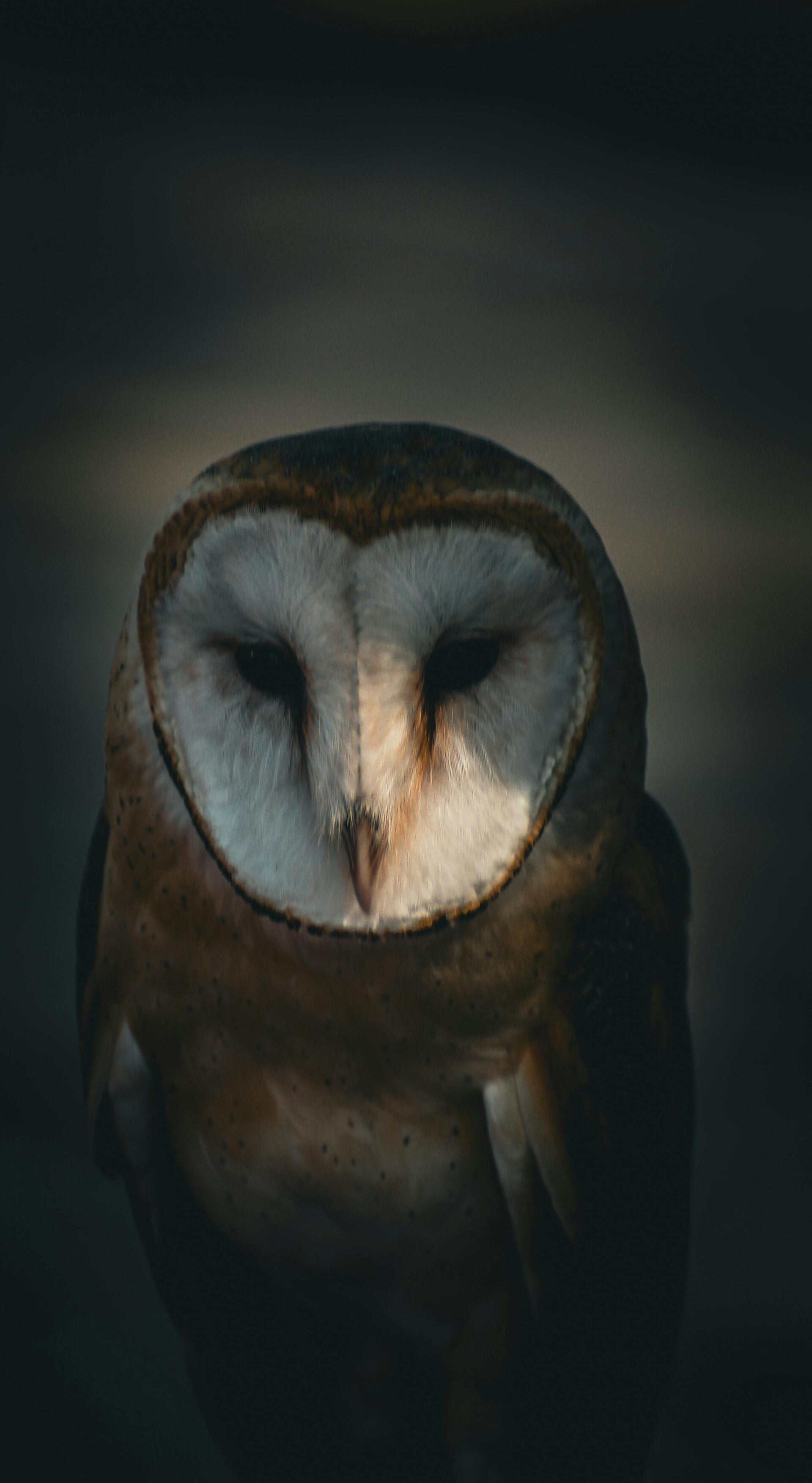
Look up to spot Red Kites with their distinctive forked tails and Buzzards soaring majestically overhead. Our dedicated "owl post" is a hub for Tawny Owls, known for their "chatty" calls, and Barn Owls, which can be seen performing graceful hunting displays over the long grass at dusk.
Meadow specialists
During the summer months, listen for the rare, high-pitched reel of the Grasshopper Warbler. Keep an eye out for Skylarks and Yellowhammers in the surrounding farmland, adding to the symphony of nature.
Mammals and land creatures
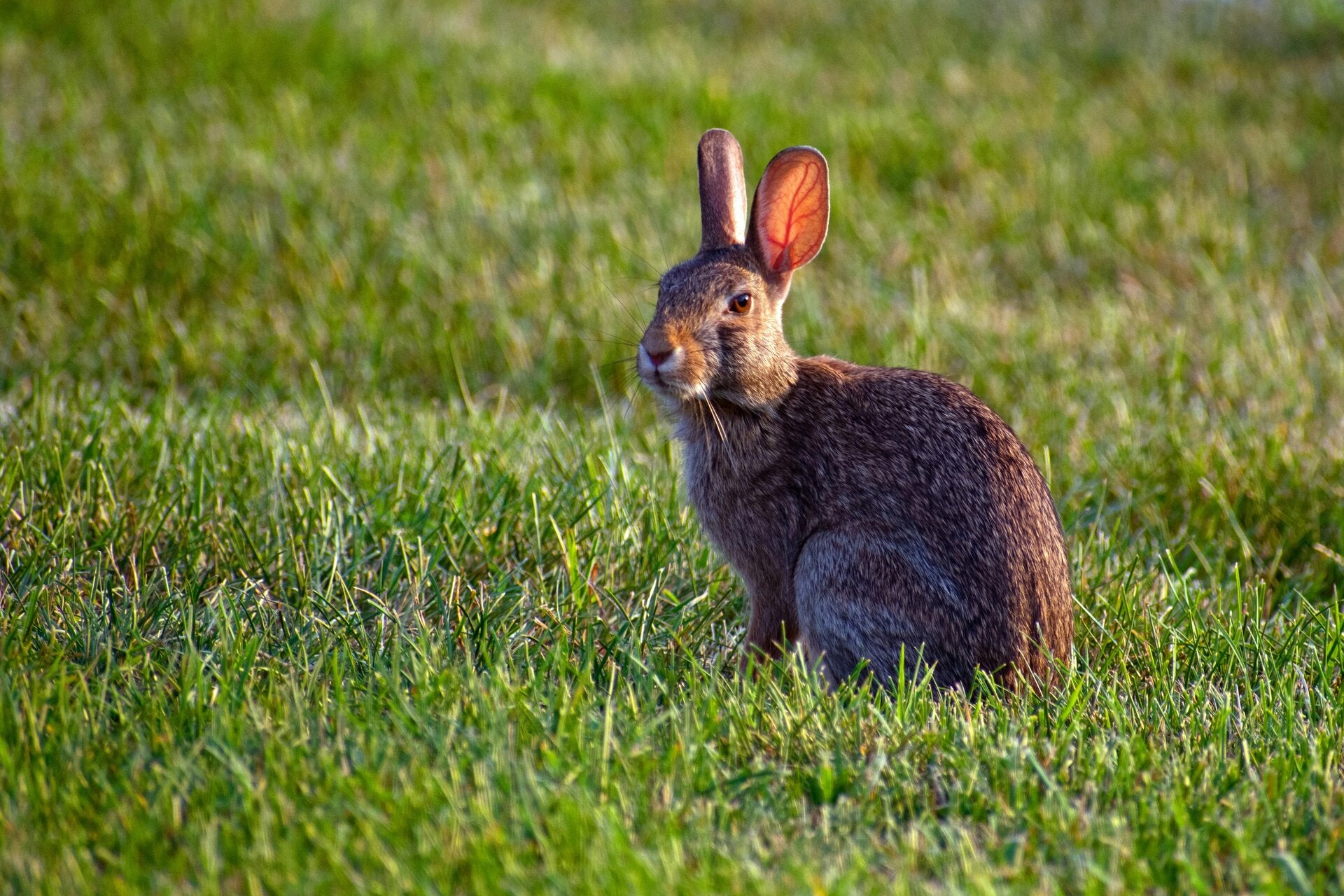
Thanks to the private and tranquil nature of our site, larger mammals frequently venture into the open. You might catch a glimpse of our regular residents: Deer, Hares, and Foxes, all thriving within the Long Acre Meadow habitat.
A living indicator of health
The abundant wildlife at Nature’s Rest Wingrave is central to our eco-friendly mission. It acts as a live indicator of the health and success of our regenerative farming practices, showcasing a balanced ecosystem where nature and sustainable agriculture harmonise.
Respectful wildlife observation tips
We encourage our guests to enjoy and observe our local wildlife respectfully. Here's a daily spotting guide to help you make the most of your wildlife experience:
Dawn (first light)
Experience the magical Dawn Chorus, best heard in spring (April–May) between 4:00 am and 6:00 am. This is also a great time to spot Barn Owls finishing their final hunting rounds (around 7:30 am) and quiet mornings are ideal for seeing Hares and Deer.
Daytime (full sunlight)
Butterflies and insects are most active during the warmest parts of the day. Look for Dragonflies and Damselflies near water and various butterflies in the open meadows. Kestrels and Buzzards can often be seen soaring or hovering overhead, hunting for small mammals.
Dusk (golden hour)
Dusk is the prime time to witness Barn Owls "quartering" the fields, often appearing just as the sun sets, gliding low over the rough grassland. It's a truly unforgettable sight.